
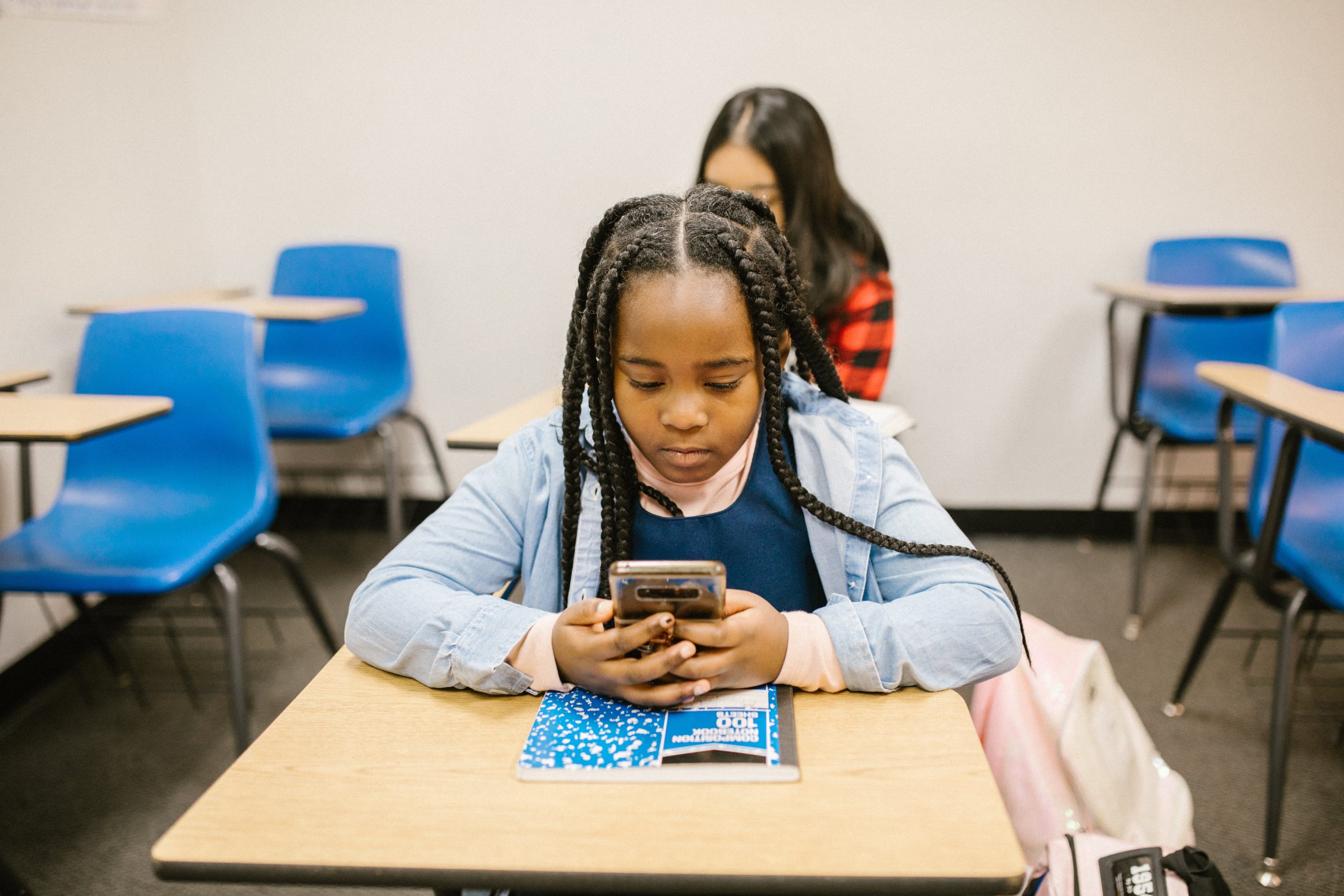
Minister for Education, Norma Foley, has recently launched a new Government policy to encourage parents to avoid buying smartphones for primary school children. The announcement of the new policy comes amid growing concerns about the risk of cyberbullying among primary school children, as well as an increased risk of exposure to inappropriate content among this age group.
The UNESCO-funded Global Education Monitoring report found that “the use of technology is associated with negative impacts on physical and mental wellbeing and increased susceptibility to online risks and harms, which affect academic performance in the long-term.” New guidelines developed under this Government policy highlight the impact that social media has on a young person’s sleep and their social connections, and the wider impact on their mental health and wellbeing.
The guidelines for parents from the Department of Education are available here, and will be issued to all primary schools.
At the same time, resources will be rolled out to parents associations who wish to develop voluntary codes on smartphones. The guidelines are intended for parents of primary school age children who wish to come together to support their children’s online safety through a collective and voluntary agreement.
While many schools already have existing acceptable use policies in place in relation to the use of internet and digital technologies within the school, these guidelines will support parents in keeping their children safe online and highlighting to parents the resources that are available.
The development of these guidelines follows the recent introduction of the “It takes a Village” initiative in eight Wicklow-based primary schools, which has seen students, parents and schools come together to agree that their children will not have a smartphone until the end of sixth class.
The guidelines provide suggested steps for creating a voluntary agreement in schools to ensure against the use of smartphones in primary schools, as well as providing key tips for schools, which are based on the experience of the schools in Wicklow. Top tips outlined within the guidelines include:
- Reach out to other schools in the area to see if they are interested in pursuing a joined up approach.
- Ask your school’s Parents’ Association to survey parents for their views on collectively agreeing not to buy smartphones for their children until the end of sixth class.
- Consult with the children on the school’s Student Council about the positive and negatives of owning a smartphone.
- Consider launching the no smartphones policy collectively at a community event featuring parents, school children, local politicians, sport clubs and more to garner community support.
As part of this Government initiative, more funding is also being provided to Webwise, a national body that provides advice and support to parents about safe online behaviour online. Through the provision of funding, Webwise will offer information sessions and webinars for parents and schools throughout the Education Centre network, based throughout Ireland.
In their new guidelines however, the Department of Education emphasises that these are just one part in the overall response to the use of smartphones among young children. It is intended that the guidelines will start and inform conversations and support parents in addressing some concerns they may have with the risks associated with smartphone use among younger children such as misuse, abuse and overuse of devices.